
• New article out on the importance of mental health, especially for athletes. We rarely understand what they’re going through, and as a society, we need to remember that it’s just a game. We shouldn’t heckle or attack someone over a final stat line or score.

    Fans can get mad and blame an athlete for a missed shot or for not playing up to expectations. But in reality, we move on — and there’s no reason to get angry at an individual over a performance. It should never be that serious.

    The human factor: We root for college athletes and professional teams. But we need to be better as fans and remember that sports are just games. There is so much more to these athletes than their performance. In today’s culture, it’s easy to forget the “athlete as a person” factor and become irrational when someone plays poorly or our team loses.

    Read the story on athletes and their mental health as a parent, a friend, or simply someone who cares. We are all better off when we understand the realities surrounding such a serious issue — and it helps put everything into perspective.

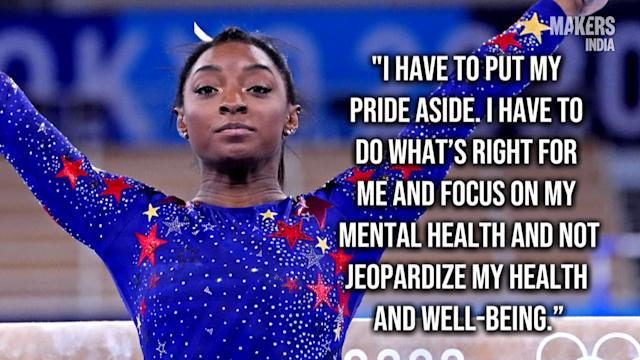
  • Mental health affects everyone — not just one particular group or person. What we often overlook, however, is how it affects athletes. Both professional and collegiate athletes carry a heavy load, often more than fans realize.

    This issue doesn’t impact only one demographic. Many people don’t understand the relationship between sports and mental health, and there is real value in educating the public on how closely the two are connected.

    Athletes can benefit from knowing what’s at stake when they compete at a high level — professionally or in college — and from understanding what resources and support systems are available to them. Simply being aware that help exists can make a meaningful difference.

    The human factor: We root for college athletes and teams. We root for our favorite pros. But we need to be better as fans and remember that sports are just games. There is so much more to these athletes than their performance. In today’s culture, it’s easy to forget the “athlete as a person” factor and become irrational when someone plays poorly or our team loses.

    Read the story on athletes and their mental health as a parent, a friend, or simply as someone who cares. We are all better off when we understand the realities surrounding such a serious issue — and it helps put everything into perspective.

  • This story doesn’t just affect one specific group. So many people don’t understand this, and can be educated on the realization of sports and mental health, and how they connect.

    This story could have a bunch of people it can be directed too. Parents of young athletes, sports fans to be educated, mental health advocates and professionals and more.

    Athletes could benefit, from knowing what is at stake if they play at a high level(professionally, in college) seeing what is available to them, what resources are available. That goes such a long way for people just to realize the support that is available to them

    The Human Factor- We root for collegiate kids, and teams. We root for our favorite athletes and their teams. We need to realize and be better as fans, ans realize that sports truly is just a game and there’s so much more to them than the sport they play. It’s too clouded in society the athlete factor and we just go past that fact and get angry if they play terrible, or if our teams dont win. We become irrational

  • One common theme i found amongst the chapters in reading, is the importance of authenticity when you’re writing. It kind of connects with the assignment we did last week with writing our own blogs versus seeing what AI comes up with, its the definition of authentic ( the ones we come up with), then the one AI comes up with, being unauthentic. It happens way to often with writing, i see it all the time in newspapers and blogs that i follow. Be more authentic in your writing!

    Authenticity shows the nature of the writer, brings out the voice and makes for an easier read. When we sit down to write—whether it’s a journal entry, a blog post, or something else—it’s easy to feel like we have to become someone else. We reach for big words, complicated sentences, or a tone that doesn’t sound anything like us

    In On Writing Well it shows you that the best writing happens when we stop trying to impress and start trying to communicate. Across his chapters on unity, leads and endings, trimming clutter, and finding our voice, he keeps circling one simple truth: writing feels alive when it has a clear purpose and an honest voice behind it.

    Unity is the focus of Chapter 8. Zinsser says that readers will follow you anywhere as long as you know where you’re going. There’s something comforting—and freeing—about that. It means you don’t need to pack everything you know into one piece. You just need to stay steady, keep the thread, and trust that your main idea is enough. When a piece drifts, readers feel it. They could get bored, and move on and likely click off. But when it stays grounded, it becomes easier and more enjoyable to write and to read.

    Everyone knows the feeling of staring at an empty page wondering how to start. Zinsser’s advice feels almost like a sigh of relief: don’t overthink it. Just begin. A good lead should simply invite the reader in, the way you might open the door for a friend. And the ending? It doesn’t need fireworks. It just needs to leave the reader feeling that the journey made sense. A good way to wrap it up, making the reader feel satisfied. We don’t need to be perfect and overthink to the extent of stressing about wrapping it up.

    The theme this week felt personal to me on a level. It’s important to know your voice and writing with your voice- it becomes powerful. You feel it, it connects with you and the listener, and makes for quite the read. Leading for you to become fulfilled with the product and the way of your writing.

  • Used Microsoft Copilot to come up with this blog.

    In the ever-evolving landscape of digital marketing, few voices resonate louder than Gary Vaynerchuk’s. His mantra—“Content is King, but Context is God”—is more than a catchy phrase. It’s a strategic philosophy that separates the noise from the signal in a world flooded with content.

    At its core, this idea challenges creators and marketers to think beyond volume. Yes, content is essential. It’s the throne upon which your brand sits. But without context—the halo that gives it meaning—content risks irrelevance. Gary Vee argues that understanding where, when, and to whom you’re speaking is what transforms good content into great impact.

    Take social media, for example. A motivational quote might soar on Instagram but flop on LinkedIn. A long-form video might thrive on YouTube but get ignored on TikTok. Context means knowing the platform’s culture, the audience’s mindset, and the timing of your message. It’s not just about broadcasting—it’s about connecting.

    Gary’s approach is deeply empathetic. He emphasizes listening over shouting, adapting over insisting. He encourages brands to treat their audiences like people, not metrics. That means tailoring your message to fit the emotional and situational landscape of your viewers. Are they scrolling during a commute? Are they stressed, inspired, bored? Context answers these questions and guides your tone, format, and delivery.

    This philosophy also applies to personal branding. Gary Vee himself is a master of contextual presence. He doesn’t just post content—he shows up where his audience lives, speaks their language, and evolves with their needs. His success isn’t just built on volume, but on relevance.

    In today’s digital throne room, content may wear the crown, but context holds the scepter. It’s the divine force that turns passive consumption into active engagement. So whether you’re a creator, entrepreneur, or marketer, remember: don’t just create—relate. Because in Gary Vee’s gospel, the true power lies not in what you say, but in how, when, and why you say it.

  • Today, in 2025 we see a ton of media outlets, media companies and all sorts of content out there for consumption, and there are so many angles to take and do what hasn’t been done before. We see restaurants, hotels, vacation spots and so much more that use content creation to help market themselves and their product.

    From Gary Vaynerchuk’s article Content Is King, But Context is God he gives a really good explanation on the problem facing content creators and what they put out there. People need to watch what they post and especially if it lacks the most important thing, context. So much of what social media is truly lacks context and consumers have to be vigilant in what they see or chose to engage online.

    One of the other important things he talks about being a content creator is respecting your platform. All the platforms have their own target audience, for example Facebook typically has an older demographic and these brands/content creators would be wise to understand this before posting. It’s about your audience, not you. It’s imperative to post and make content the audience will enjoy, it’s not for you after all.

    Another item from the article i thought was the most important, was when he said be consistent and self aware- talking to the content creators. I feel like this is one of the most important things tio remember when creating content. With social media, everything is out there, your reposts, likes, comments, everything. It all becomes a part of your brand, so chose carefully and navigate all the different platforms with that in mind.

    I enjoyed this article, and i really like the content creator who posted this article. I’ve been a fan of his work before, snd i think this gives a really good insight into the important stuff, it’s a good insight for those wanting to get into content creation.

  • William Zinsser’s On Writing Well in chapters 3–5, Zinsser explores clarity, simplicity, and the relationship between writer and audience. Chapter 5, “The Audience,” stands out for insightful message: writers must care deeply about not losing the reader’s attention—yet they should not write for the reader. Instead, they should write for themselves.

    At first, the advice seems contradictory. How can a writer avoid boring or confusing readers while also ignoring them? But what he’s really suggesting is a balance. Writing primarily for oneself means writing with authenticity and conviction, feeling good about your piece —without pandering to trends or these lofty expectations that one has.

    When writers focus too much on pleasing an audience, they risk losing their unique voice. As Zinsser writes, “You are writing primarily to please yourself, and if you go about it with enjoyment you will also entertain the readers who are worth writing for.” This shows his thoughts about writing for the particular audience and to focus on your own enjoyment rather than another person who reads it.


    Yet Zinsser does “go against” the reader entirely. He warns against cluttered or self-indulgent writing that alienates the audience. The writer’s job is to make reading effortless—through simplicity, honesty, and precision. In this sense, caring about the reader means respecting their time and attention, not tailoring to their approval.

    To reflect, Zinsser’s “contradiction” is a creative tension every writer must live with. To write well, he states you must balance ego and empathy—staying true to personal voice while crafting prose that invites others in. Writing for oneself ensures honesty; editing for the reader ensures clarity. The two are moraly similar and can be partners in good writing. When writers find that equilibrium, they achieve what Zinsser calls “a transaction between writer and reader”—one built not on flattery, but on shared humanity and truth.


  • James Kassan grew up on Long Island, New York, and lived there all his life until he
    came to Connecticut for college at Quinnipiac. He is a graduate student with a bachelor’s in
    communications and media studies and is currently in his +1 year for a master’s in sports
    journalism.

    He always knew this program would be for him, as watching sports at home with his dad and learning about the game while watching the New York Giants and New York Yankees. Those teams have been with him his whole life, and he has some fond memories rooting for them and going to games as a kid.

    Some of his favorite interactive media projects are using social media to promote
    recap articles on Quinnipiac athletics, game write-ups talking about the games, and using social
    media as a mode of reporting on the game and live-tweeting information about the games for
    those who may not be in attendance or able to watch. His career aspirations are something within
    sports preferably, either as a multimedia journalist for social media, a newspaper, or a blog site.


    He has experience working with both The Quinnipiac Chronicle as well as WQAQ, the student-
    run radio station on campus. He has loved sports for as long as he can remember, watching at
    home with his family, and he would love the opportunity to be able to cover a team and bring
    people compelling stories they may not know or have access to.

    He loves engaging on socialmedia, particularly on X, being a platform where journalists and fans can engage on topics,Q+As, and more. The thing he loves the most about sports is the sense of community that interactive media can bring, and bringing sports fans together to respectfully argue, agree, and discuss the most relevant topics. He grew up playing a bunch of sports as a child and watched a lot of sports talk on TV, the radio, and any other medium.

    That led to him wanting to work in sports and hoping to be able to have that opportunity throughout college and beyond. He hasworked with other Quinnipiac students in student media to bring coverage for Division I athletic teams. He was able to travel to Atlantic City, New Jersey, to cover the conference tournament for the Quinnipiac men’s and women’s basketball teams.

    He wants to work in sports at some capacity, bringing together his love for media & making content with watching sports. He also liked being creative to come up with new segment ideas/social media posts to engage with the sports community. He feels he can be a valued employee for a sports media company in the future.

  • Welcome to WordPress! This is your first post. Edit or delete it to take the first step in your blogging journey.

  • Google is a powerful tool—right at our fingertips—and we often don’t realize just how powerful it truly is. So much is available to us, whether we want to check last night’s score of our favorite football team or learn more about one of the presidents of the United States. The amount of information we have access to is endless.

    After reading Nicholas Carr’s article “Is Google Making Us Stupid?”, I found it really thought-provoking and insightful. Carr’s point about how Google gives us so much information, yet makes us overly reliant on it, really stood out to me. Technology as a whole seems to promote shallow thinking, and even though it brings many benefits, I believe it poses more negatives than positives—no matter how much we may love it.

    The ability to think critically for ourselves is weakening, which can lead to serious problems. As we know, the average attention span today is at an all-time low. In the article, Carr reflects on his own experience, noticing that his ability to concentrate on long texts has diminished. He connects this change to the way online reading promotes distraction through hyperlinks, ads, and short snippets of information. The internet, he suggests, conditions our brains to expect fast access and instant results, which undermines the patience required for deep thinking and critical analysis.

    I completely agree with Carr’s analysis. It’s not just Google—it’s technology in general, especially computers and social media, that contribute to this issue. We rely on technology too much and often form our thoughts based on what we see online, disregarding original ideas and how we truly process information.

    That’s not to say I don’t use the internet—of course I do. In fact, as of early October this year, around 6 billion people use the internet. That number alone shows how powerful it is and how much it influences our thoughts and our brains. We’re all guilty of assuming the internet is always right and using it to shape what we believe.